My First “Table for One”
When I first came to Japan, I was terrified of walking into a restaurant alone.
Back home, dining solo looked awkward — people would assume you’d been stood up or had no friends.
But my first week in Kyoto changed that.
I ducked into a small ramen shop on Karasuma Street after work. The chef nodded, pointed to an empty stool, and served me steaming tonkotsu ramen within minutes. No one stared, no one judged.
It felt… peaceful.
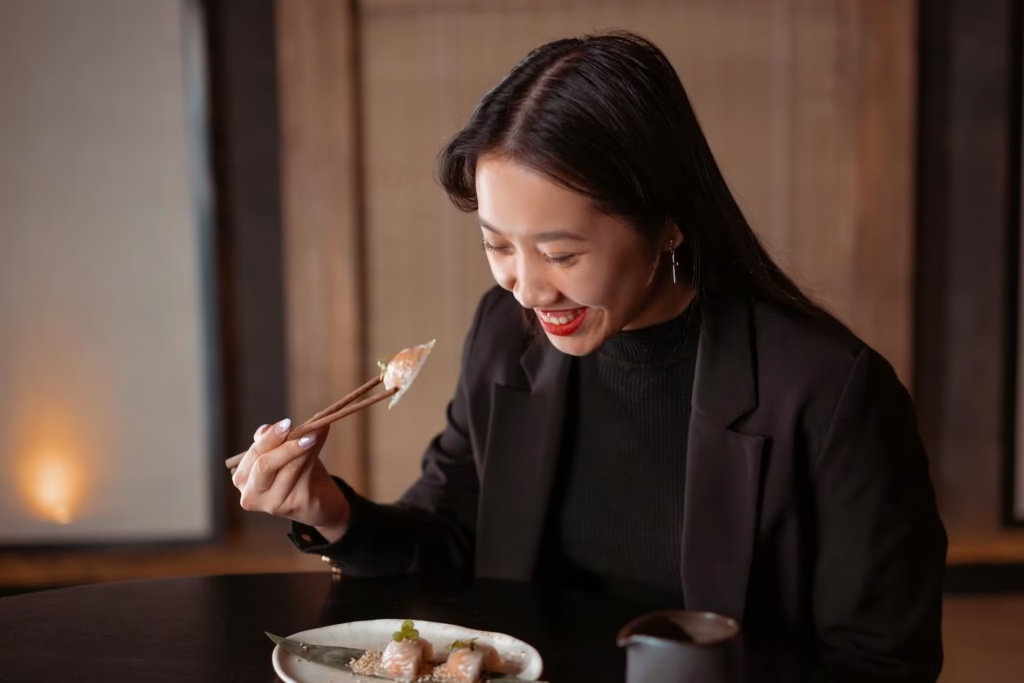
That was my first experience of hitori dining — Japan’s art of eating alone.
A Country Designed for One
Japan has quietly perfected the solo experience. From capsule hotels to single-seat karaoke booths, there’s a quiet respect for personal space.
Restaurants have private counters with dividers, cafes provide single-seater desks with charging ports, and even high-end sushi bars welcome solo customers with grace.
It’s not about isolation. It’s about freedom.
Many people — students, office workers, even elderly regulars — eat alone because it’s convenient, not because they’re lonely.
You can read, scroll through your phone, or simply sit in silence while enjoying a meal that feels entirely yours.
Japan Guide – Dining Etiquette
The Psychology of Eating Alone
In the West, silence during meals often feels uncomfortable.
In Japan, silence is part of the culture. The sound of chopsticks tapping a bowl, the soft “irasshaimase!” from the chef — these replace chatter.
After years here, I’ve realized that solo dining is an extension of Japan’s broader philosophy: mindfulness in everyday life.
Each bite is an act of focus. You notice texture, temperature, balance.
No small talk, no pressure — just appreciation.
Famous “Solo-Friendly” Spots
If you visit Japan, don’t miss these experiences:
- 🍜 Ichiran Ramen – Private booths where you never even see the staff; your bowl appears through a curtain.
- ☕ Komeda Coffee – Warm lighting, nostalgic décor, and single tables for quiet reading.
- 🍱 Matsuya & Sukiya – Fast, tasty beef bowls with counter seating for one.
- 🍣 Standing Sushi Bars – Perfect for a quick, affordable meal after work.
These places aren’t gimmicks — they’re designed with empathy.
No need to pretend you’re waiting for someone. You belong there, just as you are.
🍙 Why Japanese Convenience Stores Are the Best in the World
What Solo Dining Taught Me
I used to associate “alone” with “lonely.”
But Japan flipped that idea on its head.
Eating alone here taught me that solitude can be satisfying, even joyful.
Sometimes I bring a book; other times, I just people-watch — the quiet couple sharing soba, the office worker finishing his curry in five minutes flat.
There’s beauty in those everyday scenes.
Solo dining has also changed how I travel. In cities like Osaka or Tokyo, I can wander freely, follow my cravings, and stop wherever I please without needing anyone else’s approval.
What Foreigners Should Know
If you’re planning to move or travel here, don’t fear the “table for one.”
No one will think less of you.
In fact, many Japanese appreciate foreigners who embrace local customs confidently.
Just remember a few tips:
- Be polite and greet the staff — a simple “yoroshiku onegaishimasu” goes a long way.
- Keep your phone on silent.
- Return trays and tidy up when leaving casual eateries.
🏮 The Unwritten Rules of Living in Japan (That Foreigners Always Learn the Hard Way)
Closing Thoughts
After five years in Japan, solo dining has become one of my favorite rituals.
It’s my reset button — a quiet space to think, taste, and be present.
In a world obsessed with socializing, Japan taught me that being alone isn’t something to fix; it’s something to savor.
So next time you visit Japan, skip the group dinner.
Find a tiny ramen shop, order your favorite bowl, and let silence season your meal.
Discover more from Ali in Japan
Subscribe to get the latest posts sent to your email.